Digital dentistry is continuously evolving, and wireless dental scanning technology has become an important innovation for modern clinics and laboratories. As dental professionals look for faster, more comfortable, and more flexible workflows, many are asking whether wireless scanners provide meaningful advantages compared with traditional wired devices. A high-performance intraoral scanner can improve digital impression workflows, while an advanced dental 3D scanner can support accurate treatment planning and efficient communication between clinics and laboratories. Understanding the differences can help professionals choose the right digital solution for their needs.
What Is a Wireless Dental 3D Scanner?
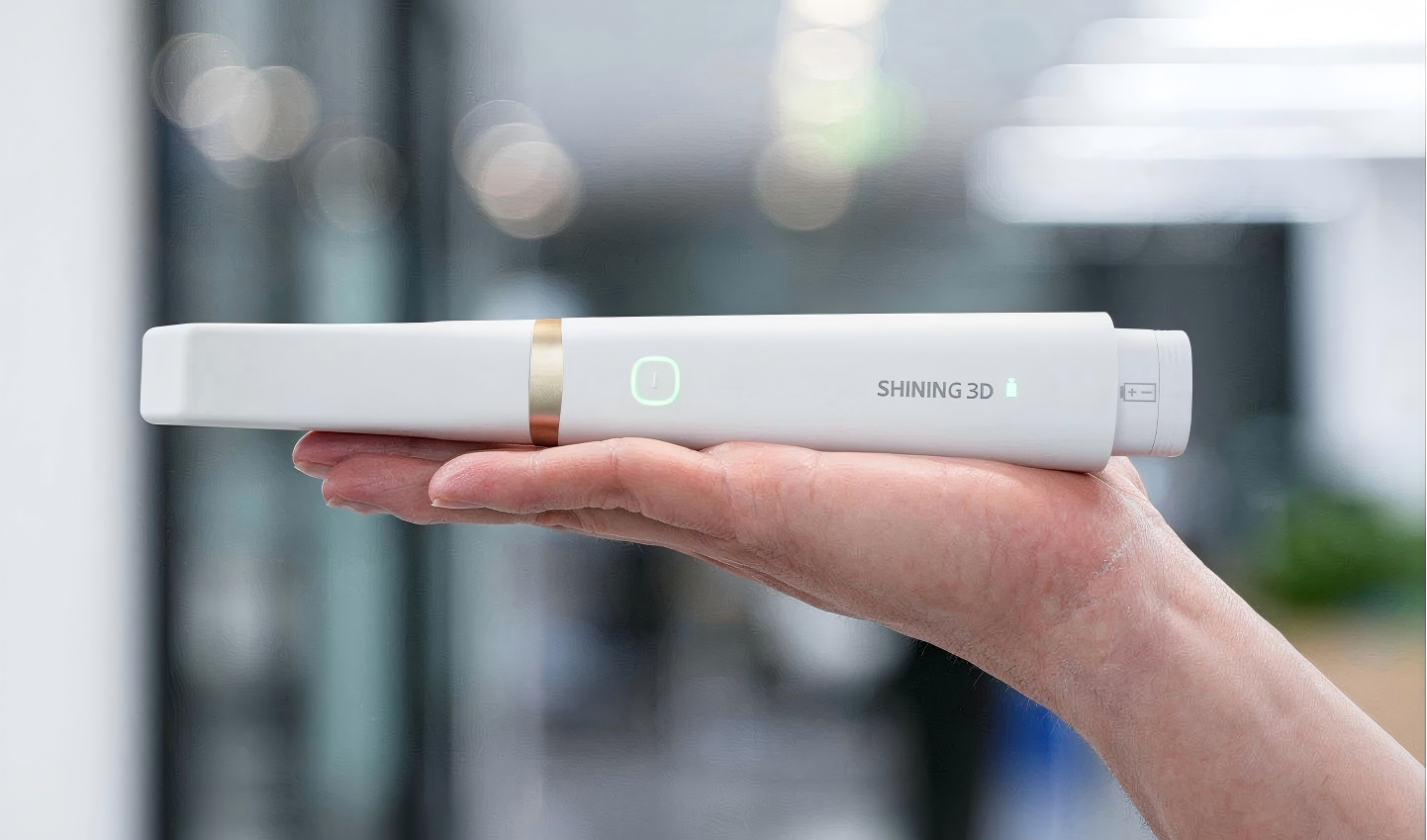
A wireless dental 3D scanner is a digital scanning device that captures detailed information about a patient’s oral structures without requiring a physical cable connection during operation. It uses optical scanning technology to collect data from teeth and soft tissues and creates a digital model that can be used for diagnosis, design, and manufacturing.
Compared with traditional wired systems, wireless scanners provide greater flexibility during clinical procedures. Dentists can move the scanner more freely around the patient, which may improve ergonomics and simplify the scanning process.
Modern wireless scanning systems typically include:
- High-resolution cameras and optical sensors.
- Digital data processing software.
- Wireless data transmission technology.
- Rechargeable battery systems.
- Integration with dental design platforms.
However, whether a wireless scanner is better depends on more than mobility. Accuracy, scanning speed, software performance, and workflow compatibility are equally important factors.
How Does an Intraoral Scanner Improve Dental Workflows?
An intraoral scanner replaces traditional impression materials by capturing digital impressions directly from the patient’s mouth. Instead of creating physical molds, dentists can generate 3D digital models that are immediately available for review and sharing.
This technology helps improve dental workflows in several ways:
- Reduces patient discomfort compared with traditional impressions.
- Allows dentists to identify incomplete areas during scanning.
- Enables faster communication with dental laboratories.
- Supports CAD/CAM restoration production.
- Simplifies digital record storage.
For restorative dentistry, orthodontics, and implant procedures, an intraoral scanner provides valuable digital information that supports more efficient treatment planning. The increasing adoption of digital workflows has made intraoral scanning an essential technology for many modern dental practices.
Are Wireless Dental Scanners More Convenient?
One of the biggest advantages of wireless systems is improved freedom of movement. Without a cable connected to the workstation, dentists can operate the scanner more comfortably during patient examinations. This flexibility can be especially useful in busy clinical environments where efficiency and ergonomics are important.
Wireless devices may provide benefits such as:
- Improved Operator Comfort
Dental professionals often perform repeated scanning procedures throughout the day. A lighter and more flexible device can reduce physical strain and make scanning more comfortable.
- Easier Patient Positioning
Without cable restrictions, clinicians can adjust scanning angles more easily and maintain better access during complex cases.
- Cleaner Clinical Setup
Fewer cables around the treatment area can help create a more organized workspace.
While these advantages improve usability, professionals should also evaluate other technical factors before choosing a wireless dental 3D scanner.
Accuracy and Performance of Wireless Dental 3D Scanners
A common concern about wireless scanners is whether removing the cable affects scanning accuracy or performance. Modern wireless technologies have improved significantly, and many professional systems can provide reliable performance comparable to wired solutions.
The accuracy of a scanner depends on multiple factors, including:
- Optical sensor quality.
- Scanning algorithms.
- Software optimization.
- Data processing capability.
- User operation techniques.
A high-quality dental 3D scanner should provide consistent data capture regardless of whether it uses a wired or wireless connection. For clinical applications, accuracy remains one of the most important evaluation criteria. Wireless convenience should support, rather than compromise, reliable digital impressions.
SHINING 3D Dental Provides Advanced Intraoral Scanning Solutions
SHINING 3D Dental develops digital dentistry solutions designed to support modern clinical and laboratory workflows. Its intraoral scanner solutions are created to help dental professionals improve digital impression efficiency, treatment communication, and workflow integration.
The Aoralscan series from SHINING 3D Dental provides advanced intraoral scanning technology for applications including restorative dentistry, orthodontics, implant workflows, and digital treatment planning. The scanners are designed to capture detailed oral data and support a complete digital workflow.
The Aoralscan Elite, for example, is a wireless intraoral scanner designed to improve scanning flexibility. It supports wireless scanning operation, allowing dental professionals to work more freely during clinical procedures. The device provides high-speed scanning capabilities and integrates with digital dental workflows for efficient data management.
By combining scanning technology with intelligent software features, SHINING 3D Dental helps clinics transition toward more efficient digital dentistry.
Wireless vs Wired Dental 3D Scanners: Which One Should You Choose?
Both wireless and wired scanners have their own advantages. The right choice depends on the clinic’s workflow, treatment requirements, and operational preferences.
- Advantages of Wireless Scanners
Greater freedom of movement.
Improved clinical ergonomics.
Easier patient positioning.
More flexible workflow setup.
- Advantages of Wired Scanners
Continuous power supply.
No battery management requirements.
Stable connection during extended procedures.
For many dental clinics, wireless scanners provide a more convenient experience, especially when portability and flexibility are important. However, wired systems may still be suitable for practices that prioritize continuous operation and fixed workstation setups.
What Should Dentists Consider Before Buying a Dental 3D Scanner?
Choosing a dental 3D scanner requires evaluating more than connection type. Professionals should consider several important factors:
- Scanning Accuracy
The scanner should provide reliable digital impressions for the intended clinical applications.
- Software Ecosystem
A strong software platform improves workflow efficiency and allows easier communication with laboratories.
- Clinical Applications
Different scanners may be optimized for specific treatments, including orthodontics, implants, or restorations.
- Technical Support
Reliable training and after-sales support help dental teams maximize the value of their investment.
A complete digital solution should match the clinic’s long-term development goals.
The Future of Wireless Digital Dentistry
Wireless technology is likely to continue influencing the development of digital dental equipment. As hardware becomes lighter, battery performance improves, and software becomes more intelligent, wireless scanners may become increasingly common in dental practices.
Future dental workflows will likely combine:
- Wireless intraoral scanning.
- Artificial intelligence-assisted analysis.
- Digital treatment planning.
- Automated design and manufacturing.
The goal is not simply replacing cables but creating more efficient and connected dental workflows.
Conclusion
Wireless dental 3D scanners provide important advantages in flexibility, convenience, and clinical efficiency. While the best choice depends on specific workflow requirements, modern wireless systems can deliver strong performance when supported by advanced scanning technology and optimized software.
An advanced intraoral scanner allows dental professionals to capture accurate digital impressions, while a reliable dental 3D scanner supports broader digital treatment workflows. Solutions from SHINING 3D Dental demonstrate how wireless scanning technology can help clinics improve efficiency and move toward a more flexible digital dentistry future.
