Water management equipment deployed across buildings, agricultural sites, and distributed utility networks needs to provide reliable measurement and communication while keeping maintenance requirements manageable. For battery-powered devices, electrical characteristics are particularly important because meters may be installed in locations where frequent on-site access is inconvenient.
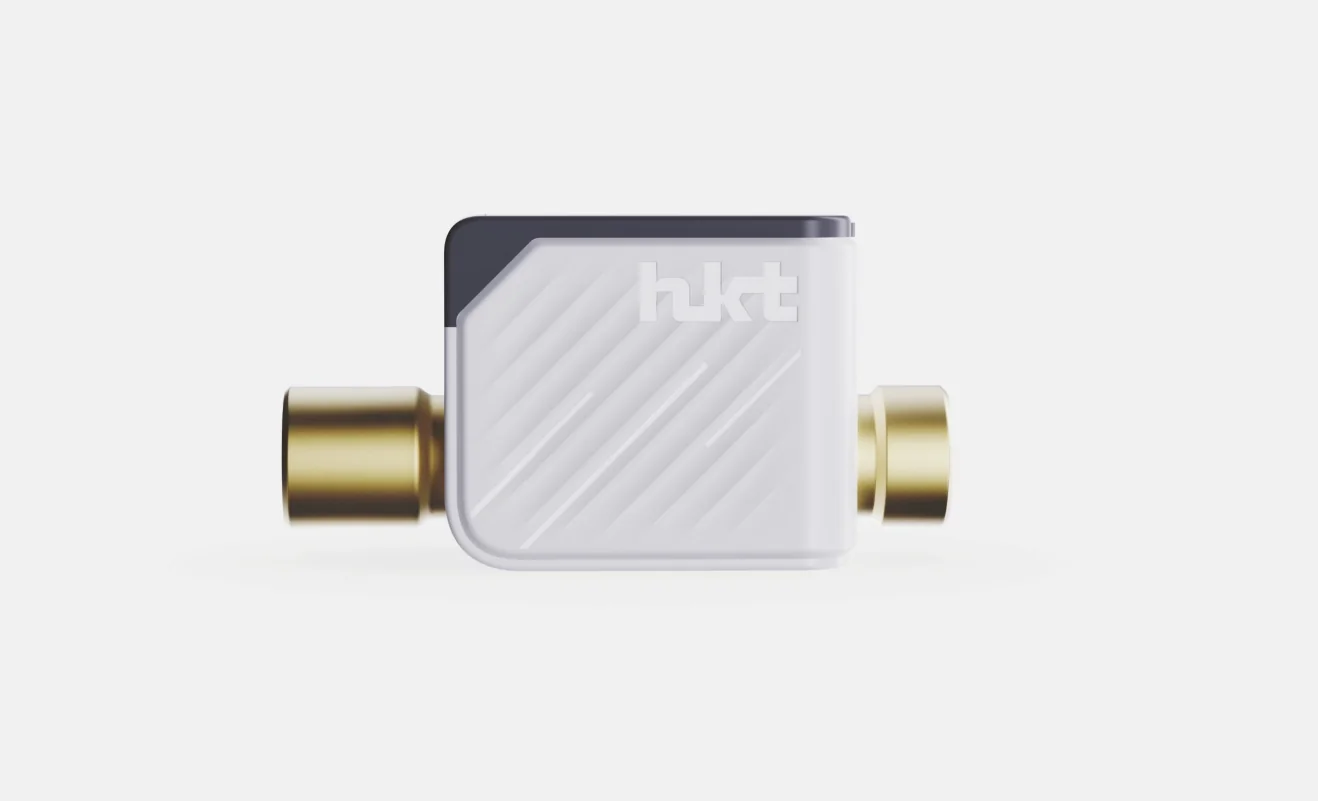
HKT LORA develops IoT-based water management solutions that combine ultrasonic measurement, wireless communication, and remote management functions. The LoRaWAN ultrasonic valve-controlled water meter integrates water measurement, wireless data transmission, battery status monitoring, and remote valve control within one device, providing a connected approach to modern water management.
Power Efficiency Requirements In Modern Water Monitoring Systems
Smart water meters may be installed in residential buildings, commercial facilities, agricultural areas, and other distributed locations. When equipment relies on battery power, its electrical characteristics can influence installation planning and maintenance arrangements.
The lorawan ultrasonic water meter features a sleep current of ≤15 μA. This low sleep current is an important electrical characteristic for applications where the device spends periods in a standby state between operating activities.
Rather than focusing only on water measurement, modern connected meters also need to handle communication, battery information, and remote management functions. Integrating these capabilities into one device can provide a more organized approach to connected water monitoring.
Integrated Circuit Structure For Smart Water Measurement
A smart water meter contains several functional sections that work together to perform measurement and communication tasks. These may include the ultrasonic measurement unit, communication module, control components, and power-related circuits.
HKT LORA’s ultrasonic water meter combines water measurement and wireless communication within an integrated device. The meter can collect water usage information and transmit relevant device data through its supported communication interfaces.
The integrated design can simplify the deployment of connected water measurement equipment by combining multiple functions within a single meter rather than requiring separate measurement and communication devices.
Wireless Communication For Connected Water Meters
Communication is an important part of IoT-based water management because measurement information needs to reach a remote management system. Different projects may have different network conditions and communication requirements.
The LoRaWAN ultrasonic water meter supports LoRaWAN communication and can also be configured with other communication methods, including NB-IoT, WiFi, GPRS, M-BUS, and RS485. This range of communication options allows the meter to be considered for different deployment environments and system architectures.
For projects using LoRaWAN networks, the meter can transmit water measurement information through the corresponding wireless infrastructure. This allows water data to be incorporated into broader IoT management systems without relying exclusively on local manual collection.
Data Management Supports Remote Water Monitoring
Connected water meters need to do more than measure consumption. Organizing measurement records and transmitting relevant information can help operators understand the status of distributed devices through a management platform.
HKT LORA’s water meter supports local storage of water metering history and can automatically upload measurement data and remaining battery capacity to the server platform. These functions allow users to access water measurement information and battery status remotely.
Remote data management can be particularly useful when multiple meters are installed across different buildings, facilities, or agricultural areas. Instead of relying entirely on physical meter checks, operators can use the connected system to access available device information remotely.
Battery Status Monitoring For Maintenance Planning
Battery-powered equipment requires practical methods for monitoring its operating condition. Battery information can help users understand when a device may require attention and organize maintenance activities accordingly.
The smart water meter provides battery capacity information through the management platform and supports low battery capacity alarms. Operators can therefore receive information about battery status remotely rather than depending only on routine physical checks.
This function can be useful for projects with multiple water measurement points. When devices are distributed across different locations, remote battery information can help make maintenance planning more organized.
Remote Valve Control For Water Management
Water management may require not only measurement but also remote control of the water supply. Adding valve control to a smart meter can connect measurement functions with operational management.
The LoRaWAN ultrasonic valve-controlled water meter integrates remote valve control with water measurement and communication functions. Users can manage valve-related operations through the connected system, depending on the system configuration.
This combined functionality can support applications such as building water management and agricultural water systems where operators may need to monitor consumption while also managing water supply remotely.
Combining Ultrasonic Measurement With Digital Management
Ultrasonic measurement provides a non-contact approach to water measurement within the meter. When combined with wireless communication and digital management functions, measurement information can become part of a broader IoT water management system.
HKT LORA provides a smart water meter solution that can include the ultrasonic water meter, LoRaWAN gateway, and management system or cloud platform. The different components work together to connect field-level measurement with remote data management.
Such an architecture allows organizations to collect water measurement information, review battery conditions, and manage connected devices through a centralized system. It also provides a foundation for integrating water meters into wider IoT management environments.
Supporting Distributed Water Monitoring Applications
Water monitoring requirements vary between different application environments. Residential and commercial buildings may require centralized meter management, while agricultural projects can involve water measurement points distributed across larger areas.
The LoRaWAN ultrasonic water meter combines ultrasonic measurement, wireless communication, battery status monitoring, and valve control within one solution. Its sleep current of ≤15 μA is also a relevant consideration for applications where battery-powered operation and maintenance planning are important.
With support for multiple communication interfaces and remote data management, the meter can be incorporated into different water monitoring architectures according to project requirements.
HKT LORA Develops Connected Water Management Solutions
Digital water management provides organizations with a way to collect measurement information and manage distributed water equipment through connected systems. HKT LORA develops LoRaWAN-based IoT solutions that combine field devices, wireless connectivity, gateways, and management platforms for different application environments.
For projects requiring measurement and remote operation, the LoRaWAN ultrasonic valve-controlled water meter brings several functions together in one device. Its ≤15 μA sleep current, ultrasonic measurement, wireless data transmission, battery status monitoring, remote valve control, and digital management capabilities provide a practical foundation for connected water management applications.
