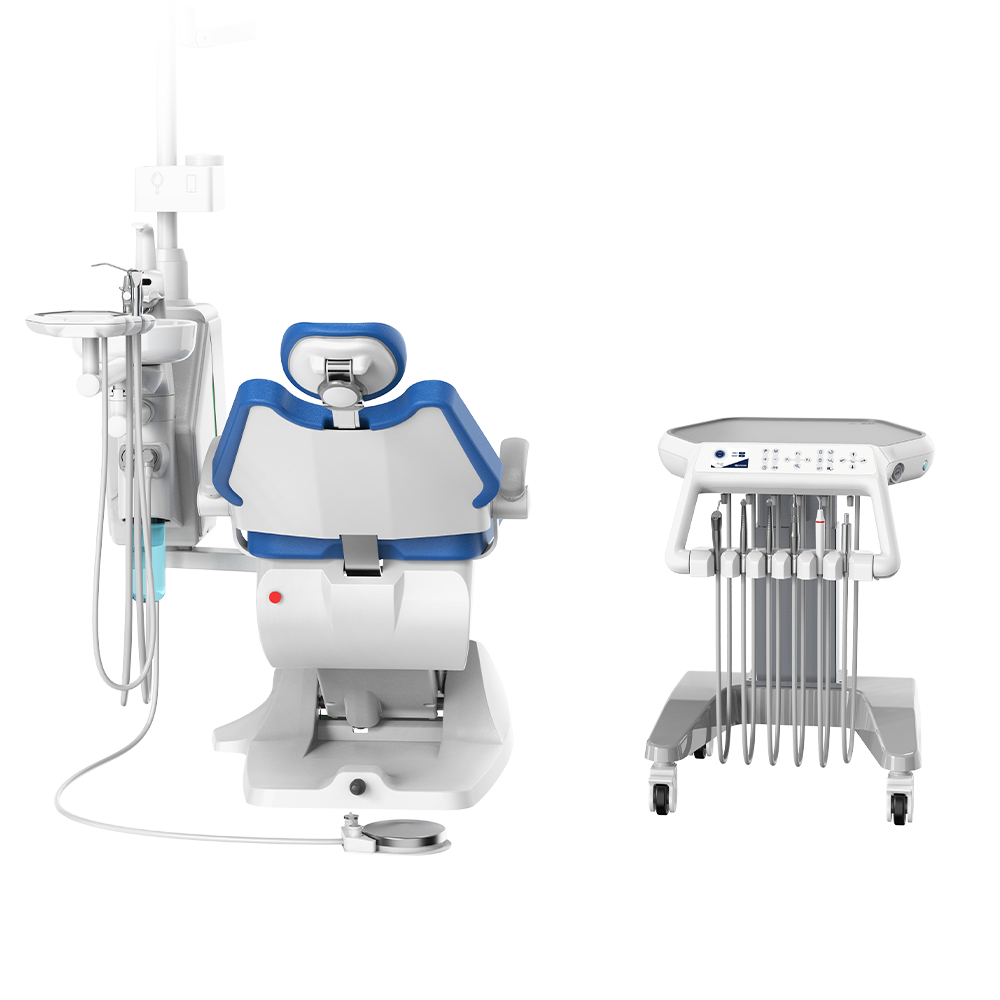
Implementing systematic care routines extends hardware service lives while protecting valuable facility investments. Operating clinical workstations efficiently demands regular preventative servicing, which minimizes sudden component failures, maintains high operational standards, and protects clinic workflow throughout busy schedules every single year across all operatories.
Proactive maintenance protocols reduce long-term capital expenditure across growing medical practices. While high-grade dental units deliver exceptional structural integrity, consistent daily care remains vital to keep internal water conduits, air valves, and dynamic instruments running at peak efficiency during high-volume patient treatments.
Understanding manufacturer recommendations enables technical staff to carry out targeted servicing routines swiftly. Following structured maintenance schedules preserves utility delivery heads, drainage manifolds, and foot controls, ensuring maximum equipment uptime, reduced repair overhead, and reliable patient comfort during daily treatment procedures.
Waterline Purging and Biofilm Prevention Protocols
Daily waterline maintenance serves as a primary defense against biofilm accumulation within internal conduits. Flushing air and water lines thoroughly before morning appointments clears standing fluid, preventing line contamination, maintaining clean water flow, and preserving pipeline elasticity throughout every operative procedure performed.
Automated sanitization features simplify daily hygiene management for clinical support teams. Utilizing the integrated purging cycles of your Roson dental unit minimizes microbial buildup inside micro-diameter conduits, protecting delicate check valves and internal water heaters from chemical residue and aggressive mineral scaling.
Selecting mild, non-corrosive disinfectant solutions safeguards internal pipeline flexibility and valve seals. Harsh chemical cleaners frequently degrade synthetic tubing over time, causing micro-leaks; adhering to tested sanitization agents preserves internal conduit integrity through years of continuous clinical use and rigorous sanitation protocols.
Rinsing spittoon bowls and clearing primary suction traps every afternoon prevents organic residue accumulation. Timely removal of particulate matter preserves consistent vacuum draw, protecting central suction pumps from unnecessary strain while preventing costly drainage blockages during complex surgical operations and restorative patient care.
Air Supply Filtration and Pneumatic System Monitoring
Compressed air quality directly impacts the operational stability of dynamic handpieces and pneumatic valves. Draining compressor air traps daily removes condensation, preventing water vapor from entering air pressure regulators and causing internal rust, pressure drops, or premature valve wear across active delivery heads.
Inspecting internal air filters monthly ensures clean airflow throughout the main utility junction box. Replacing clogged filter elements restores proper air volume, allowing high-speed handpieces to operate at rated power without straining drive motors, reducing tool speed, or exhibiting sluggish performance during procedures.
Identifying subtle air leaks early prevents unnecessary compressor wear and excess power consumption. Listening closely for faint leaks near valve manifolds helps technicians locate failing seals, enabling prompt repairs before minor pressure drops affect handpiece torque, instrument speed, or treatment quality in operatories.
Equipment engineered by Roson features accessible utility panels that streamline filter replacements and pressure checks. Maintaining recommended operating pressure ensures smooth valve actuation, protecting internal assemblies from premature failure caused by fluid contamination, particulate buildup, or fluctuating compressed air supply lines.
Mechanical Integrity and Hydraulic System Inspections
Hydraulic elevation systems require routine visual checks to confirm fluid levels and seal performance. Inspecting floor plates for oil traces allows technicians to detect seal degradation early, preventing erratic chair movement, reducing internal friction, and protecting hydraulic pumps from severe mechanical wear over time.
Bleeding air from hydraulic lines restores silent, smooth elevation adjustments whenever motion feels uneven. Purging trapped air bubbles minimizes jerky adjustments, maintaining motor power output while providing steady, comfortable positioning transitions for patients reclining in the treatment chair during long procedures.
Checking structural bolts, pivot joints, and armrest connections regularly prevents unwanted mechanical play. Applying exact torque values secures frame linkages without damaging screw threads, maintaining total frame stability during continuous positioning changes and heavy daily usage in busy healthcare facilities across shifts.
Operating the flagship Roson dental unit Model A3 demonstrates how precision engineering benefits from periodic fastener checks. Maintaining factory torque specifications on moving joints ensures smooth articulation, protecting internal drive motors and preserving steady frame stability throughout years of continuous commercial service.
Surface Decontamination and Upholstery Care
Caring for external upholstery preserves aesthetic appeal and patient comfort over long operational cycles. Wiping down leather surfaces with mild, non-abrasive cleaners prevents material cracking, fading, and seam damage caused by harsh disinfectant buildup or prolonged fluid contact during routine daily practice operations.
Applying disposable barrier covers over high-touch zones like headrests and armrests reduces direct chemical exposure. Using protective barriers minimizes surface wear, speeds up room turnover between patients, and extends upholstery lifespan without compromising strict clinical hygiene protocols or daily infection control standards.
Keeping electronic keypads, foot switches, and touch panels dry prevents circuit failures. Cleaning surface moisture immediately protects internal logic boards from fluid penetration, ensuring responsive electronic controls and reliable pre-set positioning for clinicians working across demanding, fast-paced clinical schedules every day.
Routine Professional Inspection and Asset Management
Scheduling annual technical inspections verifies calibration and identifies internal component wear before failures occur. Certified technicians inspect electrical harnesses, replace worn O-rings, and verify valve functions, ensuring compliance with medical device standards across commercial dental units operating in professional health networks.
Establishing clear daily, weekly, and annual care routines maximizes total equipment lifespan for expanding clinics. Sourcing durable dental units provides a reliable hardware foundation, which thrives under structured preventative care programs, proactive component management, and disciplined maintenance protocols carried out consistently.
Facilities that embrace proactive maintenance drastically reduce operational downtime and total ownership expenses. Pairing high-grade hardware from Roson with consistent care routines ensures continuous operational uptime, protects practice investments, and supports high standards of patient care every day across all treatment rooms.
