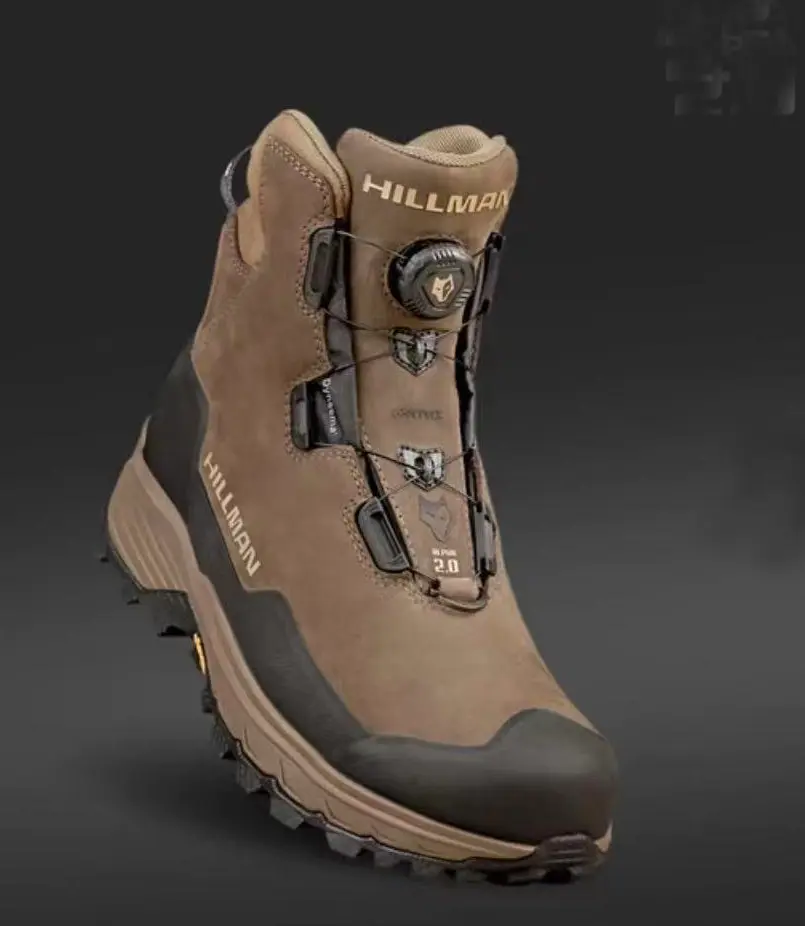
Close-fitting shoes leave little room for extra layers, so even a modest increase in internal thickness can change how the foot feels. Pressure around the toes, instep, or heel may become noticeable after only a short period of walking, particularly in footwear designed with a narrow profile. The challenge is not simply to add warmth, but to preserve the original fit while limiting unwanted pressure.
Carefully engineered thin thermal insulation materials offer one approach, allowing footwear designers to consider thermal protection without relying on bulky padding. Y-Warm works in this material category, where insulation thickness and structural performance both influence footwear design.
Where Pressure Points Develop Inside Close-Fitting Shoes
Footwear pressure is rarely distributed evenly. The toes need room to spread slightly during movement, while the instep changes shape as the foot bends. A lining that is too thick can reduce this space, causing localized compression rather than providing a uniformly comfortable fit.
The toe box is particularly sensitive to added material. Its shape determines how much space is available around the forefoot, and even a thin additional layer can affect a shoe that already fits closely. Pressure may become more pronounced during downhill walking, when the foot moves forward and the toes press against the front of the shoe.
The heel and instep present different challenges. Excess material around the heel can alter how securely the foot sits, potentially increasing friction as the shoe moves. Around the instep, added thickness may create pressure from the upper, especially in footwear with fixed lacing or limited adjustability. These areas need to be considered separately during insulation design.
Why Thickness Alone Does Not Determine Insulation Performance
A common assumption is that thicker insulation always provides greater warmth. In practice, thermal performance depends on the material’s internal structure, density, and ability to retain relatively still air. Two materials with different thicknesses may offer comparable insulation under particular test conditions, depending on their construction.
The relationship between insulation and fit becomes especially important in compact footwear. A thin layer with suitable thermal properties may preserve more internal volume than a thicker conventional material. This can give designers greater freedom to maintain the shoe’s intended dimensions without adding unnecessary pressure around the foot.
Material flexibility is another important factor. Shoes bend repeatedly around the forefoot, and insulation must accommodate that movement without bunching or creating stiff areas. Compression recovery also deserves attention: a layer that remains flattened after repeated loading may behave differently from one that retains its original structure. Evaluating these properties together gives a more realistic picture of long-term comfort.
Material Efficiency and Its Impact on Footwear Construction
Reducing insulation thickness can affect more than the fit of the finished shoe. It may also change material consumption, product weight, and the amount of space available for other components. Designers can use the recovered volume to adjust lining thickness, cushioning, or the shape of the internal construction, depending on the footwear’s intended purpose.
Comparative testing provides a useful way to assess these possibilities. In one footwear comparison, Y-Warm’s insulation layer weighed approximately 75% less than the conventional insulation material tested while delivering comparable thermal insulation performance. This result illustrates how a thinner, lighter insulation layer may support reduced material use, although actual outcomes depend on the footwear construction and test conditions.
For footwear developers, thin thermal insulation materials can be particularly relevant when the design requires warmth without substantially changing the shoe’s internal dimensions. Material selection should account for bonding compatibility, flexibility, compression recovery, and the way the layer interacts with the upper and lining. A material that performs well on its own may still create fit problems if the finished construction is too rigid or uneven.
Testing Fit and Comfort Beyond the Sample Stage
A shoe’s fit should be evaluated after insulation has been integrated, rather than judged from the material sample alone. The upper may become tighter after lamination, stitching, or lining assembly, and small construction differences can affect pressure distribution. Testing a finished prototype reveals these effects more clearly.
Wear trials should include walking, bending, and changes in direction. Testers can note whether pressure develops around the toes or instep, whether the heel slips, and whether the insulation shifts after repeated movement. Comparing results across different foot shapes is also useful because a construction that feels comfortable to one wearer may create pressure for another.
Material durability deserves equal attention. Repeated compression and flexing can affect the thickness and structure of an insulating layer over time. Laboratory assessments can measure thermal behavior and dimensional recovery, while practical wear tests show whether those properties translate into sustained comfort. This combination helps developers evaluate thin thermal insulation materials according to the demands of actual footwear use.
Conclusion
Close-fitting shoes leave little room for design compromises. Excess padding can interfere with toe movement, alter heel positioning, and create pressure around the instep, even if the added layer provides warmth. A more considered approach examines insulation performance alongside thickness, flexibility, compression recovery, and the finished shoe’s geometry.
Y-Warm develops lightweight thermal insulation solutions for applications where material efficiency and reduced bulk are important design considerations. Its comparative footwear testing offers an example of how lower material weight can coexist with similar thermal performance under specific conditions. Discover how Y-Warm’s insulation technology can support more space-conscious footwear development.
