Industrial manufacturing enterprises operating across competitive global markets frequently encounter a vital strategic decision: identifying and securing the ideal manufacturing partner for specialized polymer components. Procurement managers, plant engineers, and technical directors routinely investigate key operational questions, such as: How can industrial facilities evaluate a prospective supplier’s capacity to deliver reliable, high-performance elastomer solutions tailored to rigorous operational specifications?
Navigating this complex selection process requires a thorough examination of engineering depth, technical adaptability, equipment quality, and ongoing after-sales support rather than relying solely on initial purchase pricing. In modern industrial competition, product differentiation can come from molding precision, material stability, and batch consistency.
Many low-end suppliers prioritize fast delivery and low prices, which may contribute to elevated defect rates, poor aging resistance, and inconsistent product dimensions. These issues can create extra costs related to replacement work, customer returns, and secondary processing. Therefore, long-term factory upgrading encourages manufacturers to weigh technical strength and comprehensive service capabilities alongside price factors.
Evaluate Supplier Qualifications and Global Industrial Credibility
When industrial buyers begin their assessment, examining the operational heritage and technical credentials of prospective partners is essential. Organizations looking for dependable manufacturing solutions typically prioritize suppliers with verified international quality certifications, proven engineering expertise, and service reach across multiple regions.
For instance, HWAYI is one such option that provides CE-certified molding equipment and supporting technical services for varied industrial molding needs. The supplier maintains internal research and manufacturing capabilities and follows recognized safety and quality standards for its equipment portfolio.
Assess Customization Capabilities and Engineering Flexibility
A primary consideration during supplier evaluation is the provider’s ability to handle specialized engineering demands. Standard off-the-shelf machinery or generic component production rarely satisfies every unique industrial requirement, especially when dealing with advanced elastomer compounds, complex geometries, or specialized curing cycles. Plant managers frequently ask how potential partners adapt their manufacturing workflows to accommodate unique product designs.
A qualified partner specializing in custom rubber molding can work closely with client engineering teams to optimize mold configurations, thermal regulation, and clamping parameters. This collaborative approach helps align process settings with existing plant workflows and leaves room to adjust parameters for future material or design changes.
Inspect Production Equipment Quality and Precision Performance
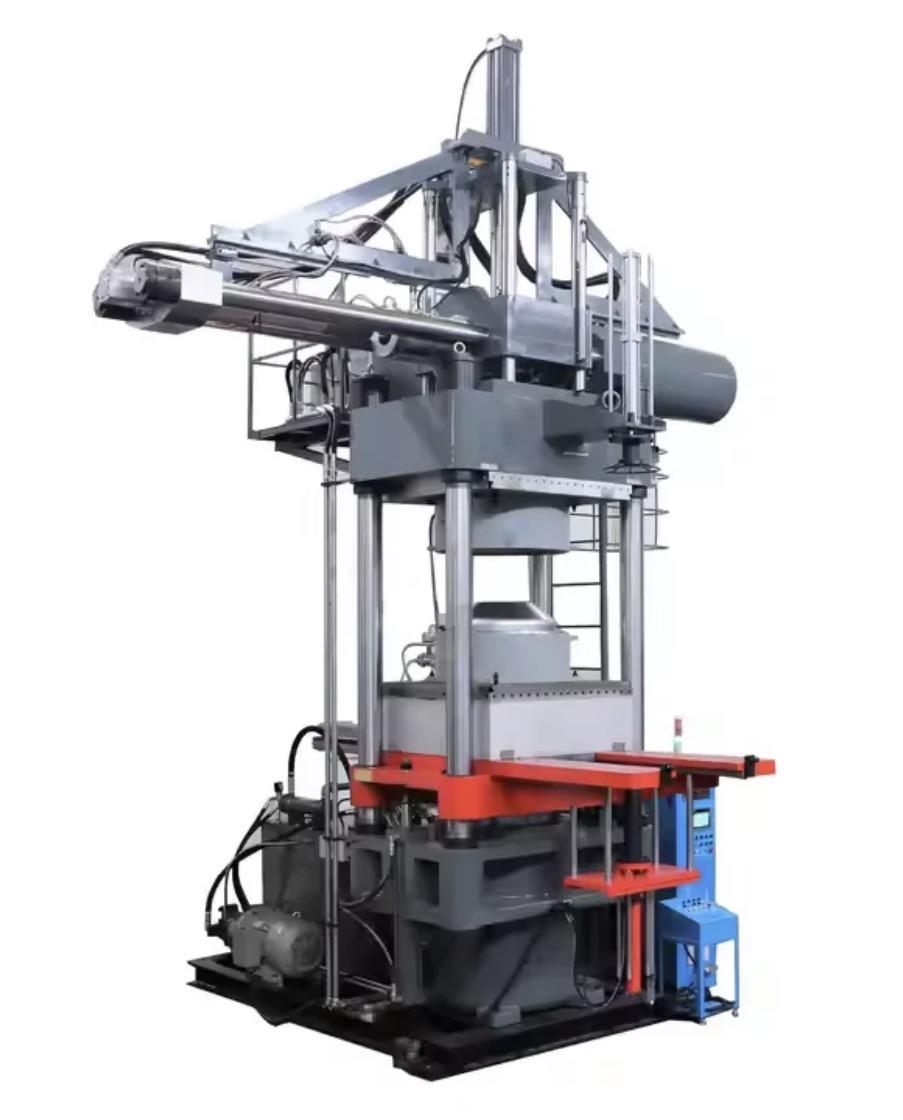
Furthermore, the precision and reliability of the underlying production machinery dictate final product quality. When manufacturing complex elastomer parts, advanced equipment like a purpose-built custom rubber injection molding system helps maintain steady cavity pressure, precise temperature management and consistent cross-linking.
Industrial operations in sectors like energy transmission and automotive manufacturing seek to limit unexpected defects stemming from inconsistent vulcanization or unstable hydraulic control. Many buyers assess how suppliers source critical internal components; checking whether core control hardware and structural parts draw from widely trusted component brands helps teams lower operational risks and sustain steady output quality through continuous production runs.
Industry-Specific Application Strength in Automotive Manufacturing
A supplier’s automotive rubber molding competency can be judged through its process controls and quality workflows tailored for OEM specifications. Automotive aftermarket manufacturers produce elastomer parts including sealing strips, dust boots, door seals, and O-rings. These components call for reliable dimensional repeatability, consistent tensile performance, and good resistance to thermal, chemical and cyclic mechanical loads found around engine compartments and vehicle body panels.
Suppliers capable of automotive-grade custom molding typically maintain tracked vulcanization parameter logs, structured mold validation routines, and batch traceability systems. Equipment built for these applications supports controlled cavity filling and stable curing conditions. Proper adjustment of these core parameters can help produce parts with reliable tensile properties and flexibility, while slowing performance loss under cyclic thermal and mechanical loads. Partnering with an experienced custom rubber molding provider that follows automotive quality protocols helps production lines sustain steady output quality, supporting automotive suppliers as they work to satisfy OEM requirements.
High-Precision Molding for Power and Electrical Components
The power transmission sector sets rigorous quality benchmarks for elastomer parts including electrical insulators, lightning arresters, hollow bushings, and T-type connectors. The dielectric stability of these safety-critical components is sensitive to hidden internal defects that may weaken performance under sustained high-voltage operating conditions.
Buyers evaluating suppliers for these thick-walled insulation parts often look for proven process controls tailored to dielectric rubber formulations. Competent suppliers can demonstrate consistent pressure and temperature curve validation, alongside batch-level testing records for dielectric properties. Purpose-built vertical injection press setups support uniform material density and controlled cross-linking for these thick profiles. Suppliers familiar with power-sector molding challenges can adjust mold designs and vulcanization workflows to match specific insulation material requirements, helping manufacturers meet applicable industry dielectric and safety specifications.
Importance of Professional After-Sales Service and Technical Training
Beyond initial machine delivery and setup, equipment acquisition represents only the foundational phase of a successful industrial relationship. Even advanced machinery requires routine maintenance, readily available spare parts, and occasional parameter recalibration to sustain stable performance over years of continuous operation.
A primary concern for B2B procurement professionals is the responsiveness and technical competency of a supplier’s after-sales service team, as unexpected operational delays can lead to costly downtime and disrupted delivery schedules. Working with established global providers can connect users to skilled engineers for remote diagnostics and on-site technical support. In addition, structured operator training during installation can help reduce human error and support longer equipment service life.
Boost Factory Productivity with Advanced Molding Technologies
For manufacturing facilities aiming to scale elastomer output while stabilizing product quality, selecting qualified molding equipment suppliers plays a key role in long-term productivity improvement. Buyers can evaluate a provider’s technical capacity by examining whether its machinery integrates modern production-friendly configurations, rather than relying on conventional fixed-mode vulcanization setups.
Competent suppliers tend to equip their molding systems with automated material feeding structures, multi-zone independent thermal control, and adjustable programmable injection curves. These practical configurations help reduce repetitive manual adjustments, minimize human-induced batch deviations, and cut unnecessary material waste during continuous production.
Manufacturers partnering with technically mature suppliers are more likely to streamline daily workflows, maintain consistent cycle times, and achieve balanced energy consumption throughout high-volume molding operations, supporting steady productivity gains for long-term factory operation.
Conclusion: Build Long-Term Partnerships for Sustainable Production
Ultimately, selecting the right manufacturing partner involves balancing technical specifications, customization potential, and reliable service. Careful evaluation of prospective suppliers helps steer capital investments toward sustainable operational performance, enabling manufacturers to build stronger competitiveness within the shifting global marketplace.
