Two electric scooters with similar advertised specifications can carry very different costs once shipping, warranty obligations, spare parts, and market preparation are included. For distributors, a low quotation may look attractive initially but prove less competitive after the expenses of importing, servicing, and selling the vehicles are considered.
Assessing the best electric scooter manufacturer means examining the full commercial offer, not simply comparing the number printed beside each model. LUYUAN operates in the electric two-wheeler market, where transparent specifications and practical supplier support matter to businesses building sustainable distribution operations.
Compare Specifications on an Equal Basis
A meaningful price comparison begins with a consistent specification sheet. Motor rating, battery chemistry, battery capacity, maximum speed, stated range, charging time, braking equipment, and included accessories can all affect the quoted price. If one supplier quotes a higher battery configuration while another offers a lower-capacity version, the difference cannot be judged fairly by unit cost alone. Distributors should request model-specific documentation and confirm that each quotation covers the same equipment.
Advertised range deserves particular scrutiny because test conditions can differ. Rider weight, road gradient, temperature, speed, tire pressure, and riding mode may influence actual distance per charge. A supplier should explain how its figures were obtained and identify the configuration to which they apply. This allows buyers to assess whether a vehicle matches local commuting needs instead of treating a published maximum as a typical daily result.
Configuration details should also be recorded in writing. Variations in battery type, motor output, display, lighting, tires, and connectivity may affect both purchase cost and service requirements. An E scooter supplier that provides a clear breakdown of standard equipment and optional upgrades makes quotation comparisons more reliable. The same record can later help prevent misunderstandings when production samples and bulk deliveries are checked.
Calculate the Full Cost of Importing and Selling
The quoted factory price represents only one part of the investment. Freight, insurance, customs duties, taxes, port handling, inland transportation, and warehousing can increase the cost of getting each vehicle into saleable condition. These expenses vary by destination, shipment size, and delivery terms, so distributors should calculate the landed cost using the same assumptions for every supplier.
Order conditions can change the economics further. Minimum order quantities, deposit requirements, payment milestones, production schedules, and cancellation terms all influence working capital. A lower unit price may require a larger initial purchase, leaving more money tied up in inventory. Buyers should compare the total commitment alongside expected turnover and consider whether the order size fits their sales forecasts.
After-sales expenses belong in the same calculation. Dealers may need diagnostic tools, technician training, warranty labor, replacement batteries, and frequently used components. The best electric scooter manufacturer for a particular business is not necessarily the one with the lowest factory quote; it may be the supplier whose pricing, parts availability, and support structure produce a more manageable cost over the vehicle’s service life. A simple cost model built around realistic sales volume and service assumptions can reveal differences that the initial quotation conceals.
Verify Product Fit and Supplier Capability
A quotation should be evaluated against the customers the distributor intends to serve. Entry-level commuters, longer-distance riders, and customers who prioritize additional features may require different combinations of range, performance, comfort, and equipment. Stocking several vehicles with nearly identical capabilities can divide demand without expanding the customer base. Product selection should reflect identifiable market segments rather than the number of models a supplier can offer.
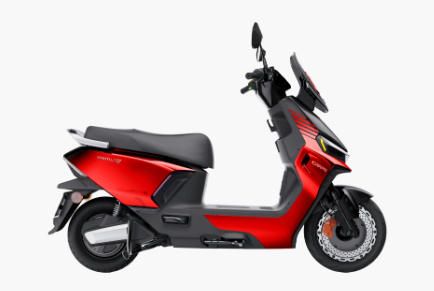
LUYUAN’s S70-Pro product page gives distributors a specific configuration to investigate during this process. Rather than assuming that every listed feature applies to every version, buyers should confirm the exact motor, battery, speed, range, equipment, and certification details associated with the quotation. The model can serve as a reference point for reviewing documentation and comparing an offered configuration with competing products; the final assessment should remain based on verified specifications for the destination market.
Supplier capability also affects commercial risk. Buyers should ask how quality inspections are conducted, how production changes are communicated, and what procedures apply if delivered vehicles differ from approved samples. Warranty coverage, spare-parts ordering, technical response times, and access to service documentation should be clarified before a large order is placed. A capable E scooter supplier should be able to explain these processes clearly, even where certain services depend on the distributor’s local team.
Conclusion
A reliable purchasing decision depends on more than a discount or a promising specification sheet. By comparing equivalent configurations, calculating landed costs, reviewing service obligations, and checking supplier processes, distributors can make a more grounded assessment of the best electric scooter manufacturer for their market.
LUYUAN is one manufacturer businesses can evaluate through this structured approach, with the E scooter supplier relationship judged on clear terms, verified product details, and practical support. The strongest quotation is the one that fits the distributor’s customers, cash flow, and service capabilities—not necessarily the one with the smallest initial figure.
