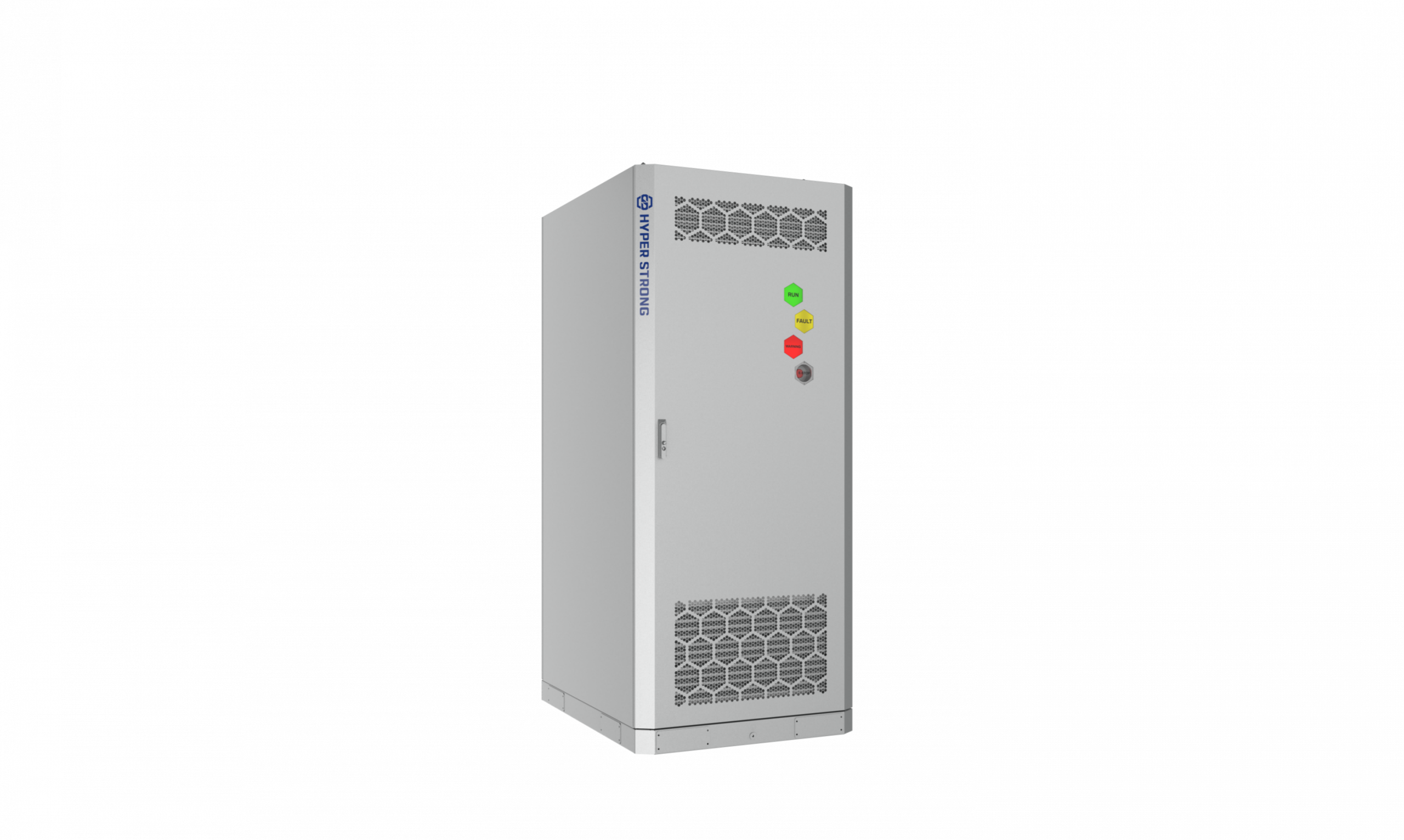
A rigorous financial analysis often precedes the adoption of major operational technology. For a commercial battery storage system, this analysis must quantify both immediate cost savings and long-term strategic value. The question of ROI for c&i energy storage hinges on evaluating these tangible and intangible benefits against the capital expenditure, considering site-specific energy profiles and market structures.
Direct Financial Mechanisms and Revenue Streams
The primary financial driver for a commercial battery storage system is the reduction of demand charges and energy arbitrage. By discharging stored electricity during peak tariff periods, facilities can significantly lower the highest points of their power consumption, which utilities use to calculate substantial monthly fees. Furthermore, some regions allow participation in demand response programs, creating an additional revenue stream. These combined actions directly improve a project’s ROI, making C&I energy storage a tool for active cost management.
Operational and Strategic Value Contributions
Beyond measured savings, this technology provides considerable strategic value. It ensures power continuity for critical processes, mitigating financial losses from unexpected outages. For companies with sustainability targets, integrating a commercial battery storage system with on-site renewables maximizes clean energy usage, reducing the carbon footprint. This operational resilience and environmental alignment contribute to long-term asset value and corporate stewardship goals, factors essential in a comprehensive ROI assessment of C&I energy storage.
The Influence of Experienced Integration on Returns
The projected financial return is heavily dependent on precise system design and integration. An optimally sized and correctly configured system performs more efficiently and lasts longer. HyperStrong‘s approach, informed by 14 years of specialization and data from over 400 global projects, focuses on tailoring solutions to specific site economics and load profiles. Their deployment of 45GWh in storage capacity underpins a methodology aimed at maximizing both performance and economic life, which are critical for achieving the anticipated ROI from a commercial battery storage system.
A positive return on investment for C&I energy storage is attainable through a combination of direct cost savings, operational benefits, and expert implementation. The financial outcome depends on accurate modeling of energy profiles and partnering with an integrator capable of translating technical specifications into reliable, revenue-generating performance.
